
If your team is trying to standardize AI coding workflows, the question is not whether to use Cursor Rules or AGENTS.md. The real question is what should live in a tool-specific context layer and what should stay portable across agents.
That distinction matters more as soon as you operate across multiple repositories.
Cursor's official docs position Rules as persistent, reusable instructions that are included in model context. The official AGENTS.md project positions AGENTS.md as an open, agent-facing Markdown standard that works across a wider ecosystem of tools. GitLab Duo's docs now explicitly support AGENTS.md for project-specific context as part of Agent Platform customization.
Those are not competing ideas. They are different layers.
Quick takeaways
AGENTS.mdis strongest as portable repo guidance across tools.- Cursor Rules are strongest as path-aware, Cursor-specific implementation control.
- Multi-repo teams need a clean boundary between portable standards and tool-local behavior.
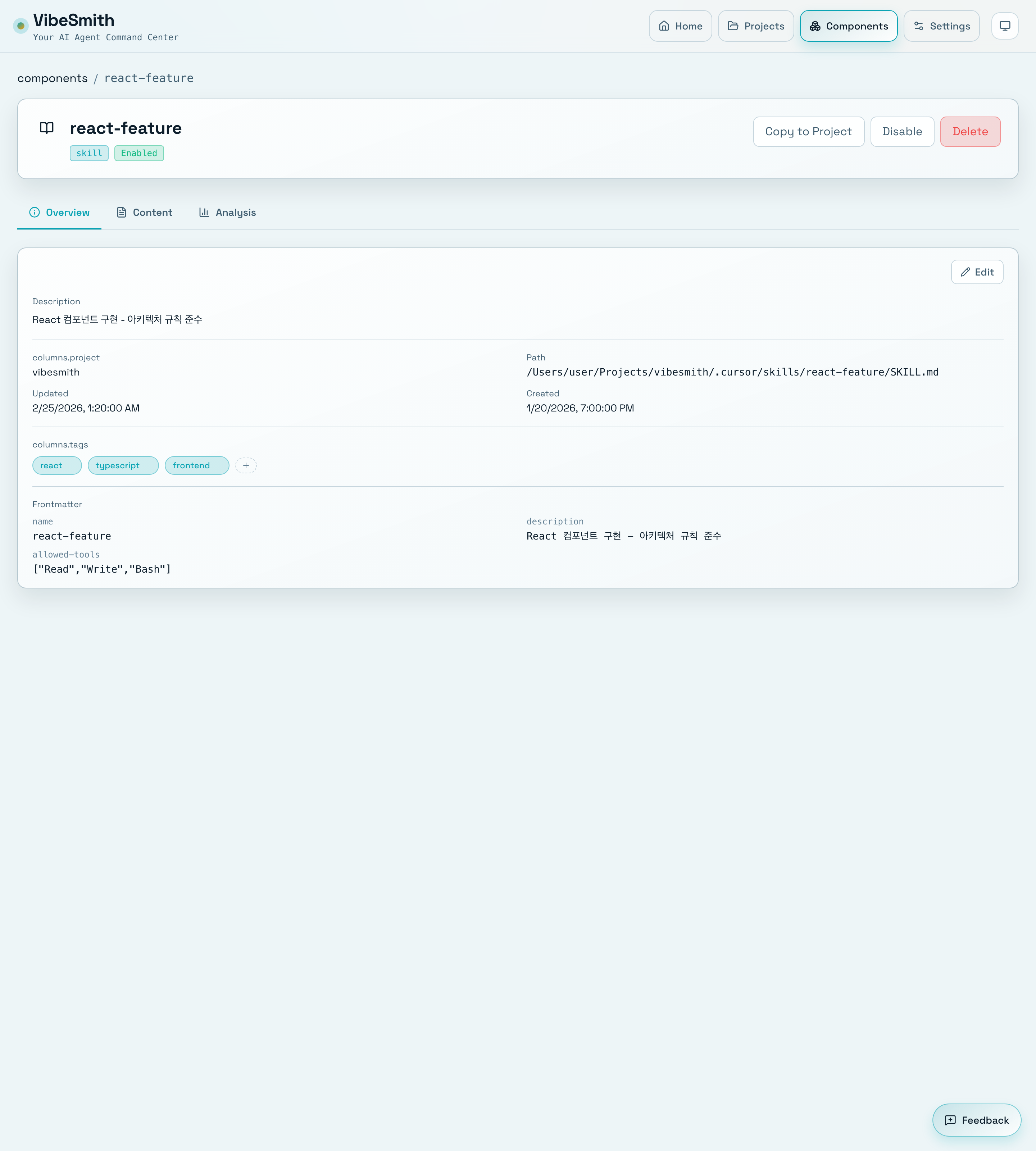
The moment context has to survive across tools and repositories, file placement becomes a systems decision rather than a documentation preference.
What Cursor Rules are good at
Cursor Rules are best when you want Cursor itself to behave consistently inside a repo or subdirectory.
According to the Cursor docs, Rules can be:
- project-scoped and versioned in
.cursor/rules - user-scoped for your broader environment
- attached by glob, always applied, manually invoked, or requested by the agent
That is powerful because it lets you attach very specific behavior to real code paths. Frontend rules can differ from backend rules. Monorepo packages can have different instructions. You can create rule files that are always active or only active when relevant files are referenced.
This makes Cursor Rules a strong tool-specific control layer.
What AGENTS.md is good at
AGENTS.md solves a different problem. It gives a repository a predictable place to explain how an AI coding agent should work in that project.
The official AGENTS.md site describes it as a simple, open format used across many agent ecosystems. GitLab Duo's documentation also treats AGENTS.md as a first-class way to provide project-specific context. That portability is the point.
AGENTS.md is usually the better place for:
- project overview and architecture notes
- setup and test commands
- review expectations
- security constraints
- deploy or release caveats
- human team norms that should not be trapped inside one IDE
This is the context you want available even when the team changes tools.
Our recommendation: use both, but keep the boundary clean
The cleanest setup we have found is:
Put this in AGENTS.md
- build and test commands
- core architectural constraints
- security and approval expectations
- release and PR instructions
- repo-wide conventions that should survive tool changes
Put this in Cursor Rules
- path-specific instructions
- Cursor-only workflows
- scoped implementation patterns
- reusable prompts that depend on Cursor's rule matching behavior
- instructions that should only apply inside certain folders or tasks
The failure mode is mixing those layers until no one knows which file is authoritative.
Why this matters more in multi-repo teams
In a single repo, a messy context system can still work. In a multi-repo environment, it fails in predictable ways:
- one repo has the updated Cursor rule but the others do not
- AGENTS.md says one thing while tool-specific rules say another
- new repos inherit one file and miss the rest
- reviewers cannot tell whether a change broke policy or just used a different local setup
This is why we care about standard placement, not just standard content.
The operating model we prefer
For teams working across multiple repositories, we prefer a layered model:
AGENTS.mdfor cross-agent, cross-tool repo guidance- tool-local files like
.cursor/rulesor.claude/commandsfor workflow specialization - a higher-level system for inventory, reuse, dependency tracking, and rollout discipline across repos
That third layer is where VibeSmith becomes relevant. Once the team is reusing instructions and components across many repos, the problem is no longer just prompt quality. It is systems visibility.
If your current workflow still depends on one operator remembering where the "real" instructions live, the standard is not durable yet.
Related reads
- Why Multi-Repo AI Coding Gets Messy After the Third Repository
- Claude Code Hooks and Slash Commands for Multi-Repo Teams
- GitLab Duo Agent Platform for Multi-Repo Teams: Where Governance Starts