
Model Context Protocol is easy to overstate.
Some teams talk about MCP as if it will automatically fix AI coding workflows by making every tool interoperable. That is too optimistic. MCP is important, but its real value is narrower and more structural.
As of March 11, 2026, the official MCP specification page still lists 2025-06-18 as the current protocol version. The 2025-06-18 changelog adds things like structured tool output, stronger authorization posture, elicitation, and the MCP-Protocol-Version header for HTTP flows. Cursor's docs show how MCP is becoming a practical way to connect external tools and data into the coding loop. GitLab now supports MCP on both the client and server side within Duo workflows.
That is a real shift. But it is not the whole system.
Quick takeaways
- MCP standardizes how tools connect to capabilities and context.
- It does not standardize team policy, naming, review gates, or dependency ownership.
- Multi-repo teams still need a systems layer above protocol interoperability.
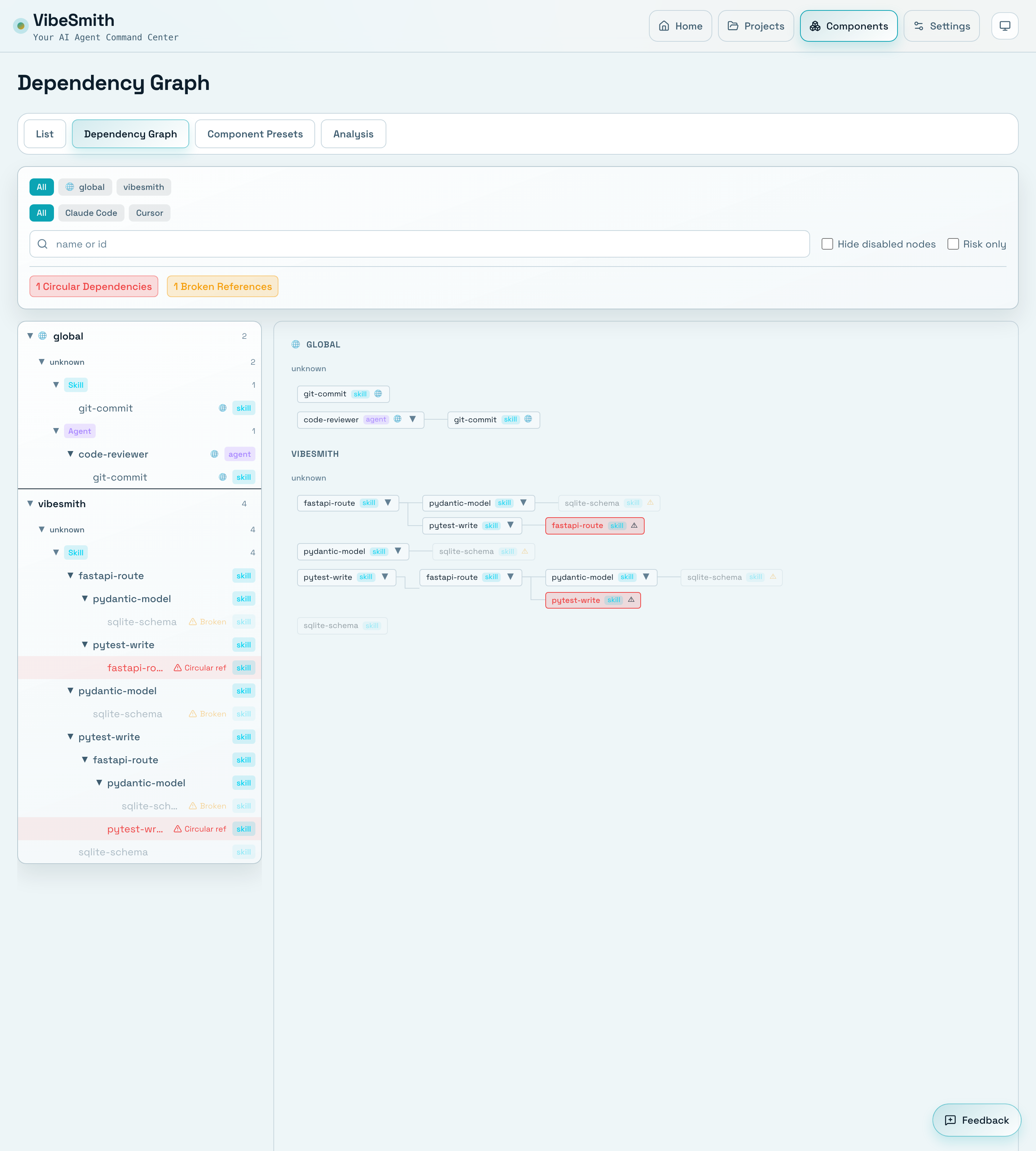
MCP helps agents reach tools and context. It does not automatically explain which dependencies matter together when work moves between repositories.
What MCP actually standardizes
At a practical level, MCP gives AI tools a shared way to connect to external capabilities.
That includes:
- tools the model can call
- prompts and reusable workflows exposed by servers
- resources that can be read as structured context
- roots that define boundaries
- elicitation flows for collecting structured user input
- transport and authorization expectations
This matters because it reduces the amount of bespoke glue code teams would otherwise need for each new tool pairing.
Without a shared protocol, every connection becomes a one-off integration problem. With a shared protocol, the integration problem becomes more portable.
What MCP changes for teams in practice
For teams running multiple AI coding tools or agent surfaces, MCP improves three important things.
1. Tool connections become less tool-specific
If Cursor, Claude Code, or GitLab Duo can speak to external systems through a standard protocol, the integration story becomes easier to reason about than a pile of bespoke adapters.
2. Context gets closer to the workflow
Instead of pasting links and explaining structure again, teams can connect issue trackers, docs, repo data, and custom services directly into the tool surface.
3. Security and approval become more discussable
The moment integrations are standardized, teams can stop debating every custom bridge from scratch and start talking about approval, auth, and boundary policy in one place.
That is a meaningful operational improvement.
What MCP does not solve
This is the part that matters most to us.
MCP does not solve:
- which instructions are canonical across repos
- how tool names, servers, and permissions should be standardized
- which reusable components carry hidden dependencies
- how rollout gates differ across products or environments
- how reviewers should interpret AI-generated changes from different tools
In other words, MCP solves interoperability. It does not solve operating discipline.
That distinction is why so many teams still feel messy even after they adopt newer AI tooling.
The real production question is governance
Once MCP enters the stack, the governance questions become sharper:
- Which servers are allowed?
- Which repos inherit which server config?
- Which tools require approval every time?
- Which data sources are acceptable in remote or background execution?
- How do you keep one repo from drifting away from the others?
These are not protocol questions. They are system design questions.
Where VibeSmith fits
We see MCP as a strong foundation layer, not the final answer.
The layer we care about is the one above protocol interoperability: reusable standards, dependency visibility, and consistent operating rules across repositories. If your team can connect more tools but still cannot explain which reusable pieces belong together, you do not have a solved system yet.
That is why our interest in MCP is practical. It is important because it lowers integration friction. But the real product problem remains cross-repo coherence.
Related reads
- Claude Code Hooks and Slash Commands for Multi-Repo Teams
- GitLab Duo Agent Platform for Multi-Repo Teams: Where Governance Starts
- Why Multi-Repo AI Coding Gets Messy After the Third Repository